Before Coke Existed, Americans Were Obsessed With This Fermented Tree Drink
Photo: Unknown (commercial matchbox manufacturer), Public domain, via Wikimedia Commons
Imagine it's 1840. You're a farmer in rural Pennsylvania, it's the middle of August, and you want something cold and refreshing. There's no corner store. No vending machine. No Coke, no Pepsi, no Red Bull. What you reach for — what everyone around you reaches for — is a dark, slightly spicy, fizzing drink brewed from the sap of birch trees. It tastes a little like root beer's wilder cousin. It's been in your family for three generations. And right now, it's the most popular drink on the Eastern Seaboard.
That drink was birch beer. And somehow, we almost completely forgot it existed.
What Exactly Is Birch Beer?
Birch beer isn't beer in the way most people think of it. Traditionally, it's a fermented — or sometimes just flavored — beverage made from the sap or oil of black birch trees (Betula lenta), the same species that gives off that distinctive wintergreen scent when you snap a twig. Early American colonists, many of whom had experience with European birch-sap traditions, quickly discovered that the trees growing across the Northeast were practically made for this.
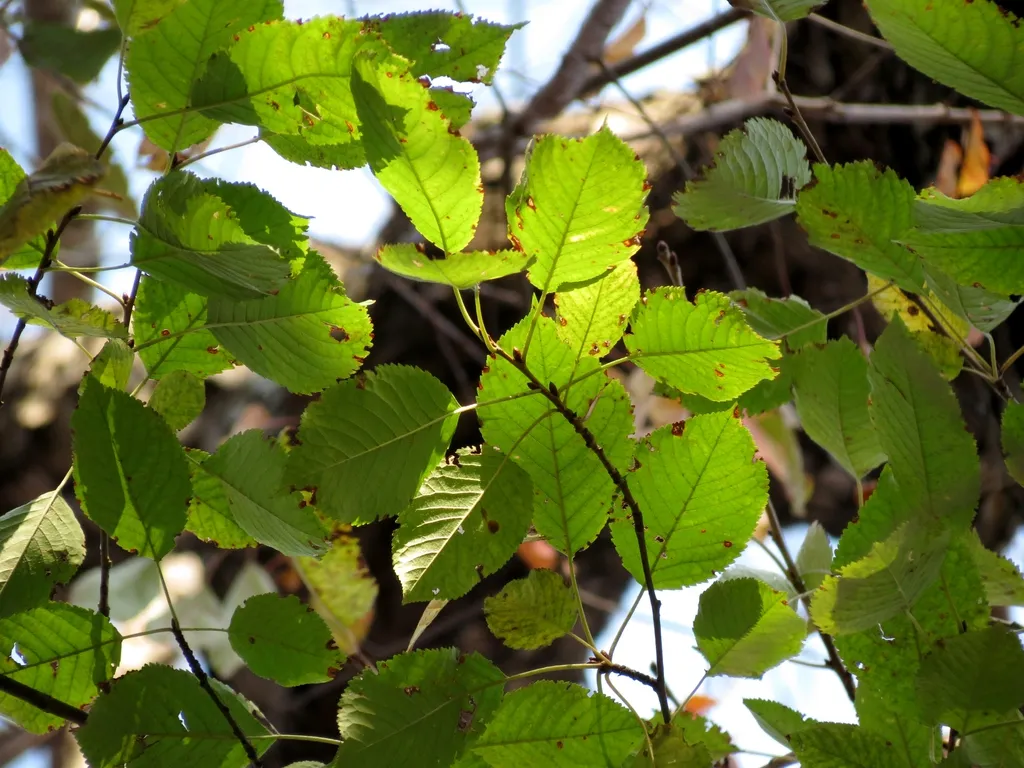 Photo: Betula lenta, via s3.amazonaws.com
Farmwives would tap birch trees in early spring, collect the slightly sweet sap, and ferment it with a little molasses or honey. The result was a lightly alcoholic, naturally carbonated drink with a flavor somewhere between root beer and a breath mint — earthy, sweet, and with a cooling menthol edge that made it genuinely refreshing on a hot day. Some versions were boiled down into a syrup and mixed with water for a non-alcoholic version. Traveling merchants sold it by the jug at markets across New York, Pennsylvania, New Jersey, and New England.
At its peak popularity — roughly from the mid-1700s through the late 1800s — birch beer wasn't a curiosity. It was the drink.
How It Got Muscled Out of History
Here's where the story gets a little bittersweet. Birch beer didn't fade because people stopped loving it. It faded because industrial soft drink companies arrived with something far more scalable.
When Coca-Cola launched in 1886 and Hires Root Beer started mass distribution around the same time, the economics changed overnight. Factory-made sodas could be bottled, shipped, and sold anywhere in the country at a consistent price. Birch beer, by contrast, was hyper-regional. You couldn't easily mass-produce it because black birch sap is only available for a few weeks in early spring, and the oil extraction process was labor-intensive. Local brewers simply couldn't compete with the advertising budgets and distribution networks of the rising soda giants.
By the early 20th century, birch beer had retreated to a handful of holdout regions — mostly Pennsylvania Dutch country, parts of New England, and some corners of New Jersey — where family recipes survived quietly in root cellars and roadside stands. The rest of the country forgot it had ever existed.
The Pennsylvania Dutch Kept the Flame Alive
If birch beer has a spiritual home today, it's central Pennsylvania. Drive through Lancaster County and you'll still find it on diner menus and in corner stores, usually in a distinctive dark brown or red variety. The Pennsylvania Dutch never really let it go, treating it less as a nostalgic novelty and more as just... a normal drink that people have.
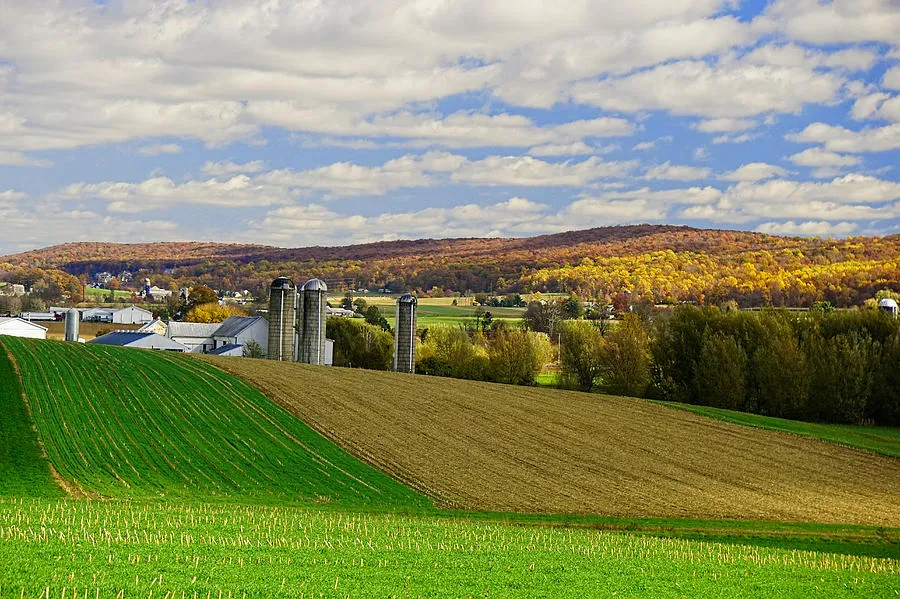 Photo: Lancaster County, via images.fineartamerica.com
Ask someone in Philadelphia about birch beer and you'll get a knowing nod. Ask someone in Chicago and you'll get a blank stare. That geographic divide tells you everything about how a drink can be simultaneously beloved and completely invisible depending on where you grew up.
The Craft Revival Nobody's Talking About
Something interesting has been happening over the last decade. Small-batch craft soda makers — the same movement that brought back ginger beer and brought us a thousand artisan cola varieties — have started rediscovering birch beer with genuine enthusiasm.
Breweries and soda craft shops in Vermont, New York, and Pennsylvania have been releasing limited-run birch beers using traditional recipes, sometimes sourcing actual black birch oil from local foragers. A handful of online retailers now ship it nationally. And food writers who stumble across it for the first time tend to react with the same stunned delight: why didn't anyone tell me about this?
The flavor profile, it turns out, fits perfectly into the current moment. It's complex without being weird. It's naturally flavored in an era when people are scrutinizing ingredient labels. And it has a genuinely interesting backstory — which, in the age of craft everything, is basically marketing gold.
Why This Story Matters Beyond the Drink Itself
Birch beer is a small story, but it points to something larger: the way industrial food and beverage systems didn't just add new options to American life — they quietly erased old ones. Drinks, foods, and flavors that were once common knowledge became regional secrets, then became forgotten entirely, within the span of a single generation.
The fact that birch beer survived at all is kind of remarkable. It survived because certain communities refused to trade their local traditions for convenience, even when every economic incentive pushed them to do so.
If you've never tried it, the good news is you don't have to drive to Lancaster County anymore — though honestly, that's not a bad road trip. A few national craft soda brands are now stocking it, and if you're adventurous, recipes for a simple birch oil soda syrup are floating around online. It's one of those drinks that makes you stop mid-sip and think: how did this not survive?
Sometimes the best discoveries are the ones that were hiding in plain sight all along — just waiting for someone to go looking.