The Teaching Secret That Made Farm Kids Smarter Than City Kids — Until Schools Banned It
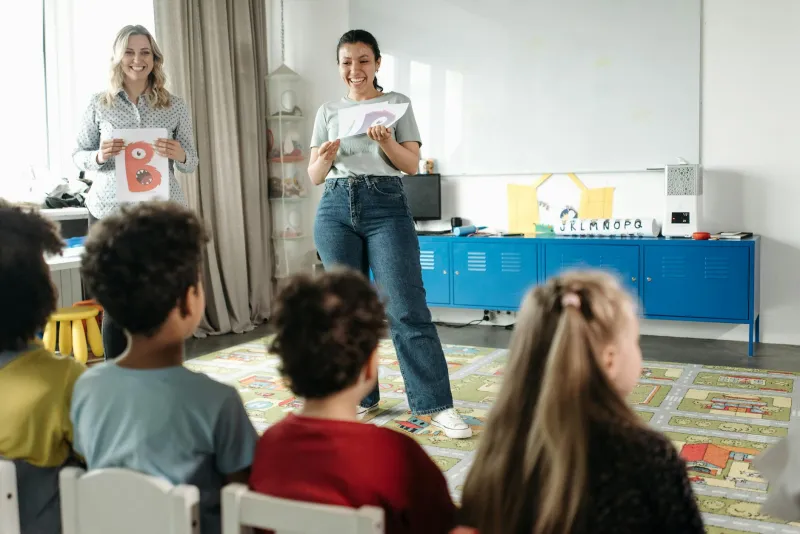
In 1892, a curious thing happened when educators started comparing test scores between rural one-room schoolhouses and the new "modern" city schools with their neat rows of same-age students. The farm kids were winning.
Not just by a little. Rural students consistently outperformed their urban counterparts in reading comprehension, mathematical reasoning, and what we'd now call critical thinking skills. The results baffled education experts who assumed that bigger, more organized schools would naturally produce smarter students.
They were looking at the wrong variable entirely.
The Accidental Genius of Mixed Ages
One-room schoolhouses weren't designed to be educational laboratories. They were born from necessity — small farming communities that could afford one teacher for 30 kids ranging from age 6 to 16.
But that constraint created something magical: peer teaching.
Twelve-year-old Sarah would help eight-year-old Tommy with his multiplication tables while the teacher worked with the older students on geometry. Tommy would later help six-year-old Emma sound out difficult words. Everyone taught, everyone learned.
"The older students weren't just helping the younger ones," explains Dr. Patricia Huang, who studies historical education methods at Stanford. "They were reinforcing their own understanding by explaining concepts in their own words."
Modern cognitive science has a name for this: the "protégé effect." When you teach something, your brain processes the information differently, creating stronger neural pathways and deeper retention.
The Efficiency Revolution That Broke Learning
By 1920, education reformers had decided that one-room schools were inefficient relics of a bygone era. The industrial age demanded industrial solutions: students sorted by age, teachers specialized by subject, learning standardized by grade level.
It made perfect sense on paper. Why have one teacher juggling eight different lessons when you could have eight teachers each perfecting one?
The new system was indeed more efficient. It was also less effective.
"We optimized for administrative convenience instead of learning outcomes," says Maria Rodriguez, a former principal who now advocates for mixed-age education. "We treated children like products on an assembly line."
What the Research Really Shows
In 2019, researchers at MIT conducted a fascinating experiment. They recreated one-room schoolhouse conditions in controlled settings, mixing students aged 8-12 in the same classrooms for math instruction.
The results were striking:
- Younger students learned 23% faster when taught alongside older peers
- Older students who taught younger ones scored 31% higher on retention tests
- Both groups showed improved social skills and leadership abilities
Similar studies in Finland and New Zealand have produced nearly identical results. The evidence is overwhelming: mixed-age learning works.
The Schools Bringing Back the Old Ways
A handful of innovative schools across America are quietly rediscovering what prairie schoolmarms knew by instinct.
The New Country School in Minnesota organizes students in mixed-age "learning families" that stay together for multiple years. Test scores consistently rank in the top 10% statewide.
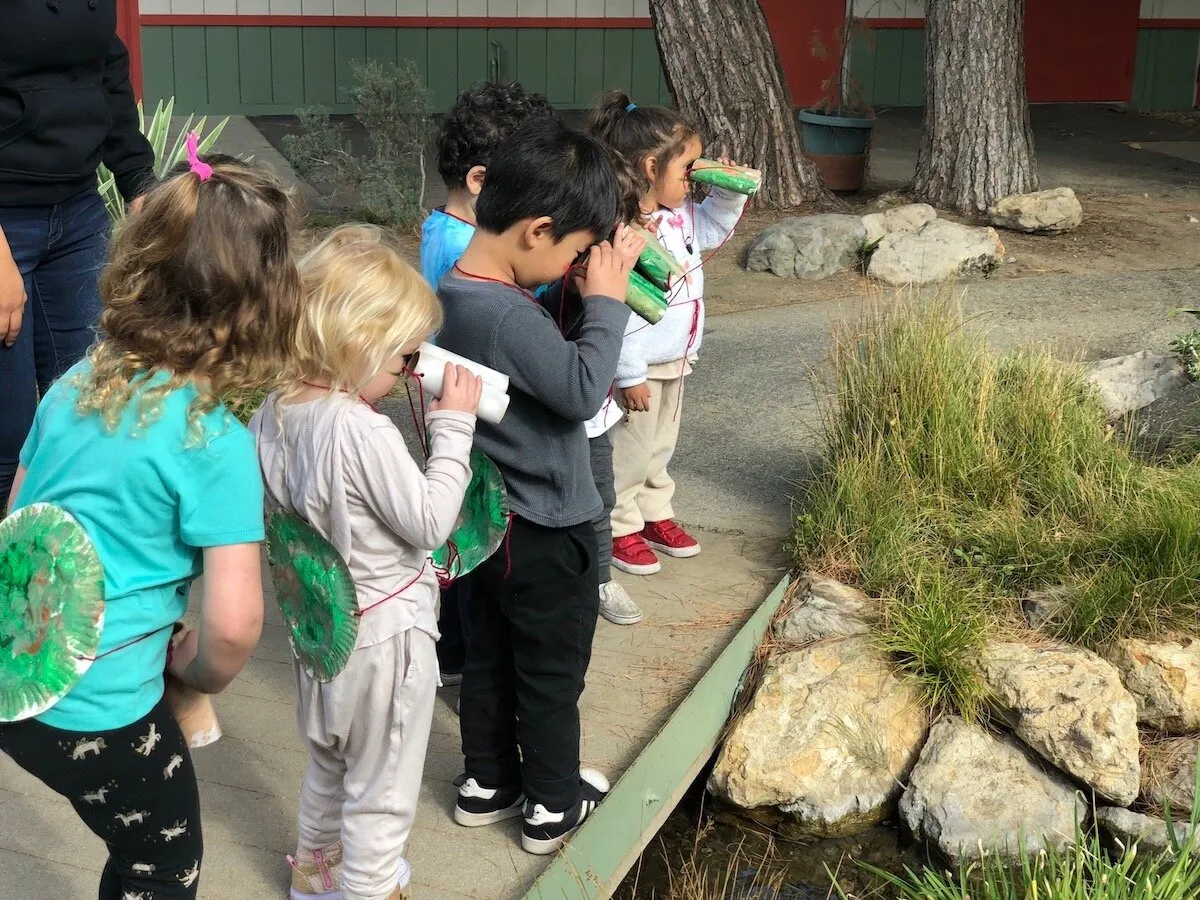 Photo: New Country School, via images.squarespace-cdn.com
In Vermont, the Compass School uses what they call "vertical classrooms" where 4th and 6th graders tackle science projects together. Principal David Kim reports that discipline problems virtually disappeared once they implemented the system.
"When 11-year-olds are responsible for helping 9-year-olds understand fractions, they take ownership of the classroom culture in a way we never saw before," Kim explains.
The Technology Twist
Modern mixed-age classrooms have advantages their 19th-century predecessors couldn't imagine. Digital tools let teachers create individualized learning paths while students collaborate across skill levels.
At the Acera School in Massachusetts, 7-year-olds and 12-year-olds work together on coding projects, with older students naturally becoming mentors while younger ones bring fresh perspectives that surprise everyone.
"The technology doesn't replace the human connection," notes teacher Jennifer Walsh. "It amplifies it."
Why This Matters Now More Than Ever
As artificial intelligence reshapes the job market, the skills that one-room schoolhouses naturally developed — collaboration, mentorship, adaptability — are becoming more valuable than rote memorization.
Yet most American classrooms still operate on the industrial model, sorting students by arbitrary age cutoffs and discouraging the kind of peer teaching that research shows works best.
"We're preparing kids for a 21st-century economy using 19th-century assumptions about learning," observes education researcher Dr. Michael Chen. "Meanwhile, the actual 19th-century approach might be exactly what we need."
Sometimes the most revolutionary idea is the one hiding in plain sight, waiting to be rediscovered.