The Root Vegetable That Ruled American Plates Before Tomatoes — Then Vanished Over a Single Cookbook Review
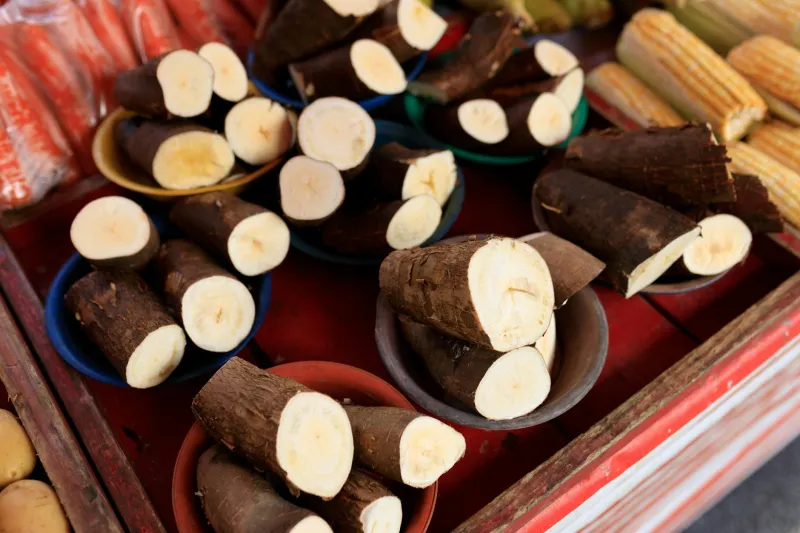
Walk through any American grocery store today and you'll find aisles packed with tomatoes in every conceivable form. But rewind the clock 150 years, and you'd be hard-pressed to find a single red fruit on most dinner tables. Instead, American cooks were obsessing over a pale, slender root that most people today have never heard of: salsify.
The Oyster Plant That Conquered America
Salsify earned its nickname "oyster plant" for good reason — when cooked properly, this unassuming root develops a creamy, briny flavor remarkably similar to fresh oysters. Colonial gardeners couldn't get enough of it. Thomas Jefferson grew salsify at Monticello, and by the 1860s, it was so popular that seed catalogs featured multiple varieties with names like "Mammoth Sandwich Island" and "Long White French."
 Photo: Thomas Jefferson, via cdn.britannica.com
Civil War-era cookbooks devoted entire chapters to salsify preparation. Housewives knew dozens of ways to serve it: mashed with butter, fried in batter, stewed with cream, or ground into mock oyster soup that could fool even seasoned seafood lovers. The vegetable was particularly prized because it stored well through winter and could be harvested fresh even after hard frosts.
The Economics of Excellence
By 1880, salsify was outselling tomatoes in most American markets. While tomatoes were still viewed with suspicion (many believed they were poisonous when eaten off pewter plates), salsify represented reliability and sophistication. It was expensive enough to signal status but practical enough for middle-class families to serve regularly.
Farmers loved salsify because it commanded premium prices and grew well in marginal soil. Unlike temperamental tomatoes that required careful timing and ideal conditions, salsify was nearly foolproof. Plant it in spring, ignore it all summer, and harvest perfect roots well into fall.
The Review That Changed Everything
Salsify's downfall began with a single cookbook review in 1905. Sarah Tyson Rorer, one of America's most influential food writers, published a scathing assessment of salsify in her widely-read "Ladies' Home Journal" column. She complained that the vegetable was "tedious to prepare" and "suitable only for those with excessive time and patience."
 Photo: Sarah Tyson Rorer, via i.pinimg.com
Rorer's criticism wasn't entirely unfair — salsify does require careful peeling to avoid discoloration, and its milky sap can stain hands. But her timing was terrible. The review appeared just as American cooking was shifting toward convenience and speed. The growing urban middle class wanted foods that could be prepared quickly after long workdays.
The Reputation Spiral
Once labeled "difficult," salsify couldn't shake the stigma. Other food writers picked up Rorer's criticism and amplified it. By 1920, cookbooks that once celebrated salsify were relegating it to sections on "unusual vegetables" or omitting it entirely.
Meanwhile, tomatoes were experiencing the opposite trajectory. Italian immigrants were demonstrating delicious, simple preparations that required no special techniques. Canned tomatoes offered convenience that fresh salsify couldn't match. The rise of commercial food processing favored crops that could be mass-produced and preserved — tomatoes thrived, salsify withered.
The Quiet Comeback
Today, a handful of small farms across the country are rediscovering salsify's potential. At farmers markets from Vermont to Oregon, curious cooks are encountering this forgotten vegetable and learning what their great-great-grandparents knew: properly prepared salsify is extraordinary.
Modern chefs appreciate salsify's versatility and unique flavor profile. Unlike the aggressive acidity of tomatoes, salsify offers subtle complexity that pairs beautifully with both delicate fish and robust meats. It's also remarkably nutritious, packed with fiber, potassium, and antioxidants.
Lessons From the Lost-and-Found
Salsify's rise and fall reveals how food trends are shaped less by actual merit than by cultural momentum and influential voices. A vegetable that fed America for over a century nearly disappeared because one food writer found it inconvenient.
This story repeats throughout culinary history. Parsnips, once more popular than carrots, suffered a similar fate. Jerusalem artichokes, despite being native to North America, are now considered exotic. Meanwhile, vegetables like kale — once considered cattle feed — can achieve superfood status almost overnight.
The next time you spot salsify at a farmers market, consider giving it a try. You might discover that your ancestors had excellent taste — they just lived before food writers convinced everyone otherwise.