The Broke Radio Station That Stumbled Into Inventing Talk Radio — While Trying to Fill Dead Air

In 1947, KFRU radio in Columbia, Missouri faced a problem that would make modern broadcasters panic: they were running out of content. The tiny AM station couldn't afford the music licensing fees that larger stations paid, and their handful of sponsored programs left huge gaps of dead air. Station manager Ralph Atlass had two choices: go off the air or get creative.
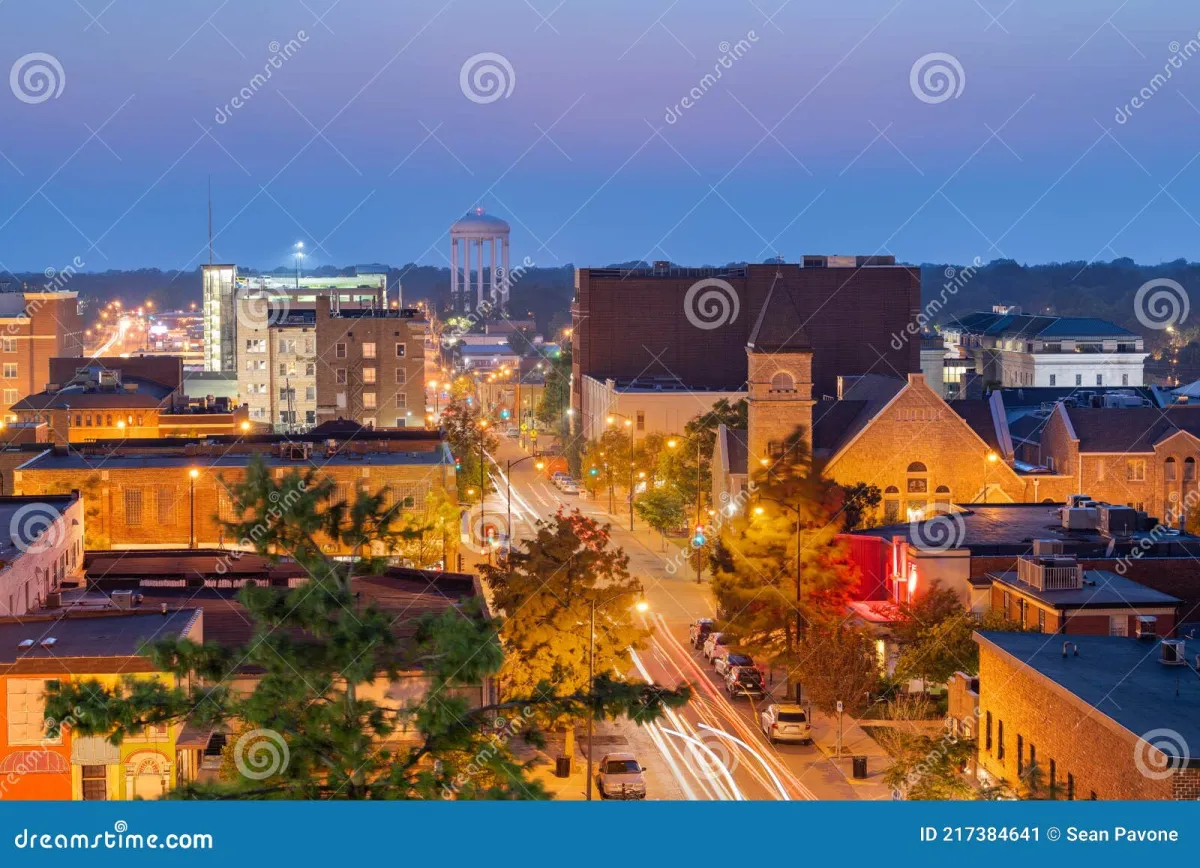 Photo: Columbia, Missouri, via thumbs.dreamstime.com
He chose creativity, and accidentally invented one of the most profitable formats in broadcasting history.
The Desperation Innovation
Atlass's solution was born of pure necessity. Instead of expensive programming, he decided to simply put local people on the air and let them talk. Not about anything specific — just talk. The concept was so radical that the FCC initially questioned whether it qualified as legitimate broadcasting.
The format was wonderfully simple: anyone could call in or show up at the station to discuss whatever was on their mind. Farmers talked about crop prices, housewives shared recipes, and local business owners promoted their services. There was no script, no professional hosts, and certainly no market research suggesting this would work.
The Magic of Unfiltered Conversation
What happened next surprised everyone, especially Atlass. Listeners became addicted to the unscripted conversations. For the first time in radio history, ordinary people could hear their neighbors' actual voices discussing real problems and local issues. It was intimate, immediate, and completely different from the polished programming coming from network affiliates.
Local businesses quickly realized the power of this direct access to customers. A hardware store owner could come on air and personally recommend tools to specific callers. The town doctor could address health questions that multiple families were facing. It was community building through technology, decades before anyone coined that phrase.
The Format Goes Viral (1940s Style)
Word of KFRU's unusual approach spread through the tight-knit community of small-town radio operators. Struggling stations across the Midwest began copying the format, each adding their own local flavor. By 1950, dozens of stations were running some version of "community conversation" programming.
The format worked particularly well in rural areas where people felt disconnected from big-city media. Listeners developed personal relationships with regular callers. Families planned their days around favorite conversation segments. Some stations reported that their "talk" programming was more popular than anything the major networks offered.
The Corporate Discovery
By the mid-1950s, larger stations began noticing the success of these small-town experiments. Radio executives realized that talk programming was incredibly cost-effective — no expensive talent, minimal production costs, and content that generated itself. The format also created unusually loyal audiences who felt personally invested in "their" station.
The first major market station to adopt the format was KABC in Los Angeles, which launched "talk radio" in 1960. They hired professional hosts and added more structure, but the core concept remained unchanged: let people talk about whatever interested them, and others would listen.
The Evolution Into Empire
What started as desperate improvisation in a small Missouri town evolved into a broadcasting juggernaut. Talk radio generated billions in advertising revenue and launched careers from Rush Limbaugh to Howard Stern. The format proved so durable that it seamlessly transitioned into podcasting, where the same basic formula — unscripted conversation — dominates the medium.
Modern podcast hosts often unknowingly follow the template that Ralph Atlass created: authentic voices discussing topics that matter to specific communities, supported by targeted advertising from businesses that want direct access to engaged audiences.
The Forgotten Pioneer
Despite creating one of broadcasting's most enduring formats, KFRU and Ralph Atlass never received credit for their innovation. By the time talk radio became a recognized format, its origins in small-town Missouri had been forgotten. Media historians typically credit much later developments in major markets, overlooking the desperate experiment that started it all.
This pattern repeats throughout media history. Innovations often emerge from necessity in overlooked places, then get refined and branded by larger operations that claim credit for the "invention." The internet followed a similar path, developing from university research networks before being commercialized by companies that had nothing to do with its creation.
The Columbia Legacy
Today, KFRU still broadcasts from Columbia, Missouri, though it's now part of a larger media group. The station occasionally acknowledges its role in talk radio history, but few listeners realize they're hearing programming that descends directly from those first desperate conversations in 1947.
Columbia itself has grown into a small city anchored by the University of Missouri, but the community spirit that made the original format successful still exists. Local issues still matter, neighbors still want to hear from each other, and authentic conversation still trumps polished programming.
The Accidental Genius
Ralph Atlass never intended to revolutionize broadcasting — he just needed to fill airtime without spending money. His solution worked because it tapped into something fundamental: people's desire to be heard and to hear from others in their community. That basic human need hasn't changed, which explains why talk radio thrived for decades and why podcasting exploded as soon as the technology became accessible.
The next time you listen to a podcast or call into a radio show, remember that you're participating in a format invented by a broke station manager in Missouri who was just trying to keep his signal on the air. Sometimes the most enduring innovations come from the most desperate circumstances.