The Roasted Seed That Fed America's Heroes — Until Big Sugar Buried It Forever
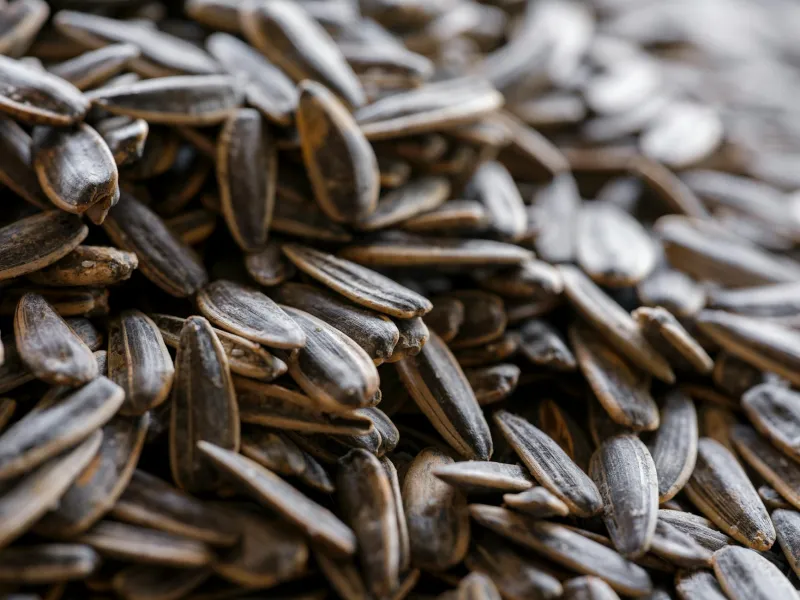
The Roasted Seed That Fed America's Heroes — Until Big Sugar Buried It Forever
Walk through any baseball stadium today and you'll find the usual suspects: peanuts, popcorn, and enough sugar-laden treats to fuel a small army. But flip back to 1920, and America's favorite ballpark snack was something entirely different — roasted sunflower seeds.
The Golden Age of Seeds
Sunflower seeds weren't just a casual snack. They were everywhere. Street vendors hawked them on busy corners in New York. Factory workers carried small pouches in their lunch pails. Kids traded them like currency in schoolyards across the Midwest.
The numbers tell the story: by 1925, Americans consumed over 200 million pounds of roasted sunflower seeds annually. That's roughly two pounds per person — more than we eat of almonds today.
What made them so popular wasn't just taste. A single ounce packed 6 grams of protein, healthy fats, vitamin E, and magnesium. Unlike the sugary alternatives that would later dominate, sunflower seeds actually kept people satisfied for hours.
"They were the perfect working-class food," explains food historian Dr. Margaret Chen. "Cheap, nutritious, and you could eat them with dirty hands without making a mess."
The Machinery of Forgetting
So what happened? The answer lies in a coordinated campaign that most Americans never saw coming.
In the 1930s, major food corporations began investing heavily in processed snack foods. Companies like Frito-Lay and Mars weren't just selling products — they were reshaping American taste buds through aggressive marketing campaigns that positioned sugar and salt as the gold standard of snacking.
Meanwhile, sunflower seed producers remained small, regional operations. They lacked the advertising budgets to compete with national brands that could afford radio sponsorships and colorful packaging.
The final blow came during World War II. Sugar rationing should have been sunflower seeds' moment to shine, but government contracts prioritized sunflower oil production for the war effort instead. The infrastructure for roasted seeds quietly disappeared.
The Health Trade-Off Nobody Noticed
By 1950, the average American snack contained 15 times more sugar than its 1920s equivalent. We'd traded protein and healthy fats for empty calories and artificial flavors.
Modern nutritionists are only now catching up to what our great-grandparents knew instinctively. Dr. James Whitfield, who studies traditional American diets at Cornell, puts it bluntly: "We replaced one of the healthiest snacks in human history with some of the worst."
The Quiet Comeback
Today, sunflower seeds are experiencing a stealth renaissance. Baseball players like David Ortiz and Francisco Lindor have made seed-spitting an art form, introducing a new generation to the old tradition.
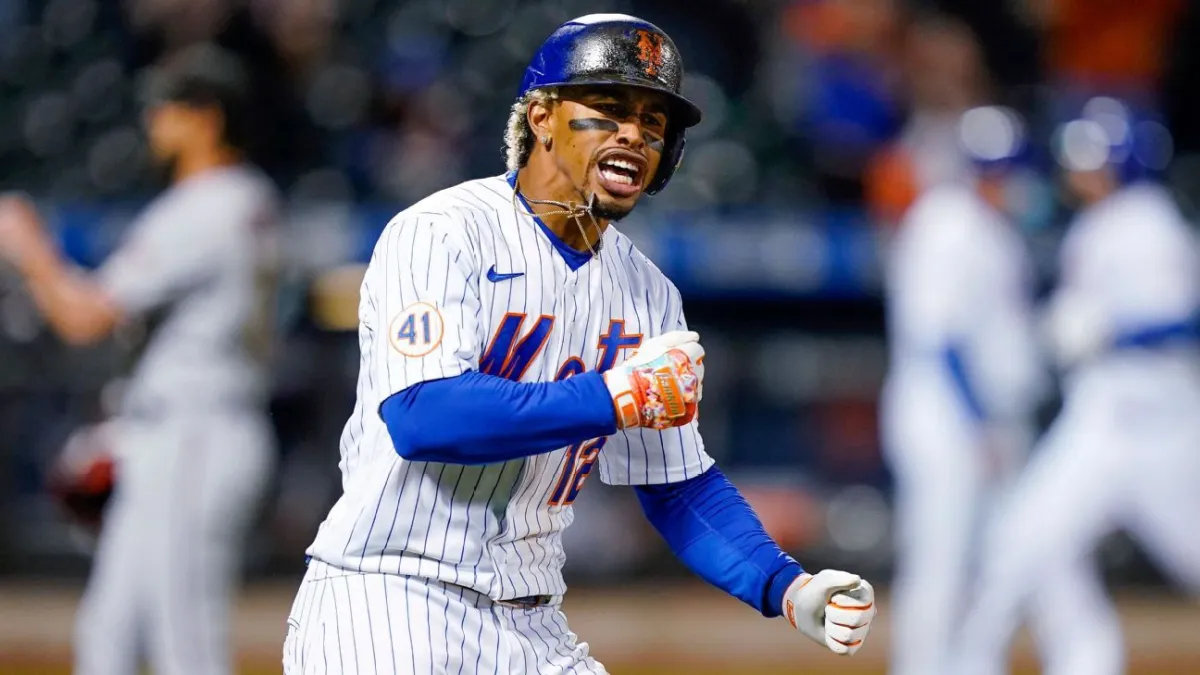 Photo: Francisco Lindor, via a.espncdn.com
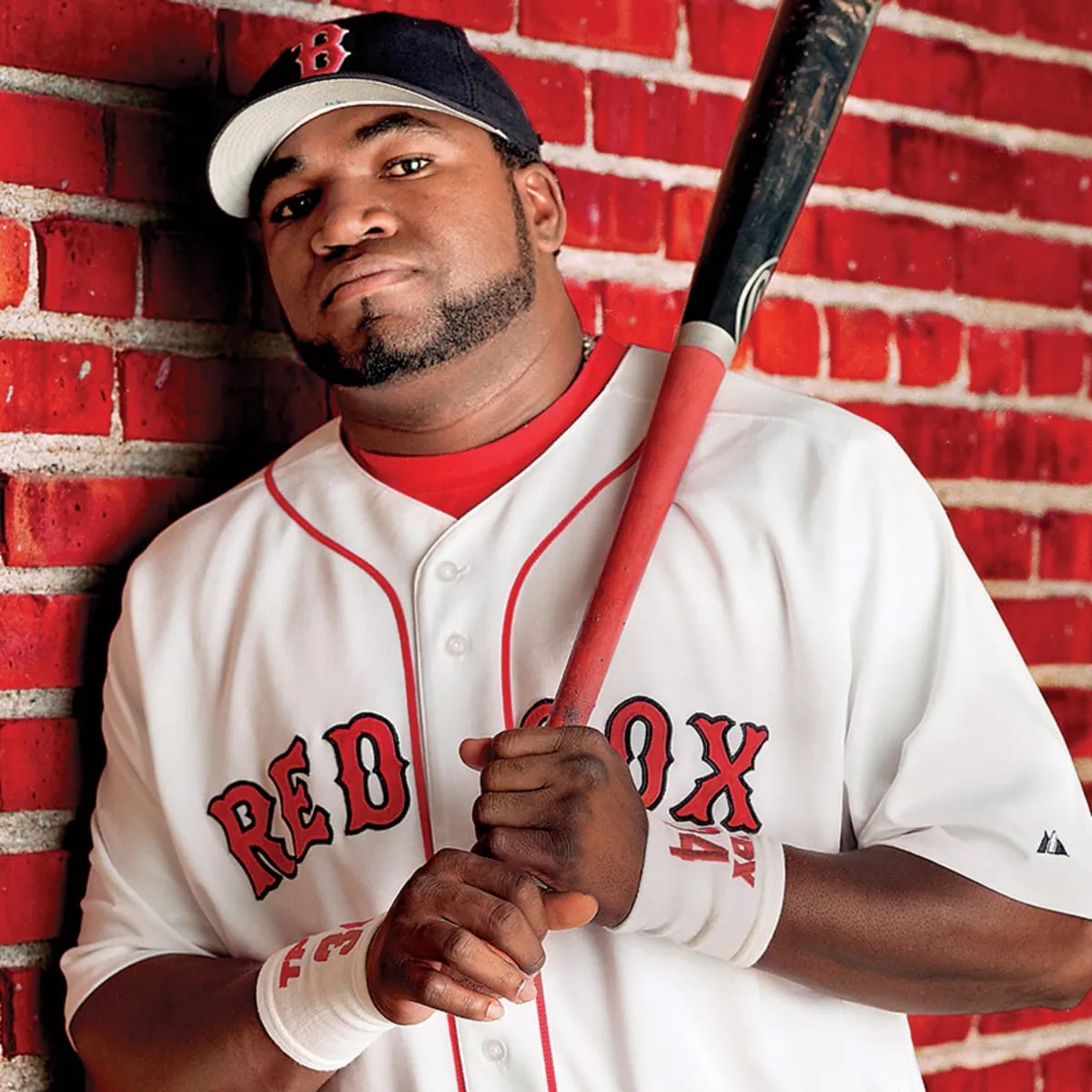 Photo: David Ortiz, via 73buzz.com
Small-batch roasters in states like North Dakota and Kansas are reviving forgotten flavor combinations — everything from dill pickle to sriracha. Some health-conscious movie theaters are even testing sunflower seeds as an alternative to butter-soaked popcorn.
Food scientists at UC Davis recently compared modern snack foods to historical alternatives and found something striking: roasted sunflower seeds scored higher on every nutritional metric while costing 60% less to produce.
 Photo: UC Davis, via www.ucdavis.edu
What We Lost in Translation
The sunflower seed story isn't really about snack foods. It's about how corporate marketing can quietly erase healthier traditions, leaving us poorer in ways we don't even realize.
Our ancestors didn't need apps to track their protein intake or supplements to get essential nutrients. They had sunflower seeds — a complete food that happened to taste great and cost almost nothing.
Maybe it's time we remembered what they knew all along.