Meet the Fruit That Tastes Like a Mango Ate a Banana — And Almost Vanished From America
Meet the Fruit That Tastes Like a Mango Ate a Banana — And Almost Vanished From America
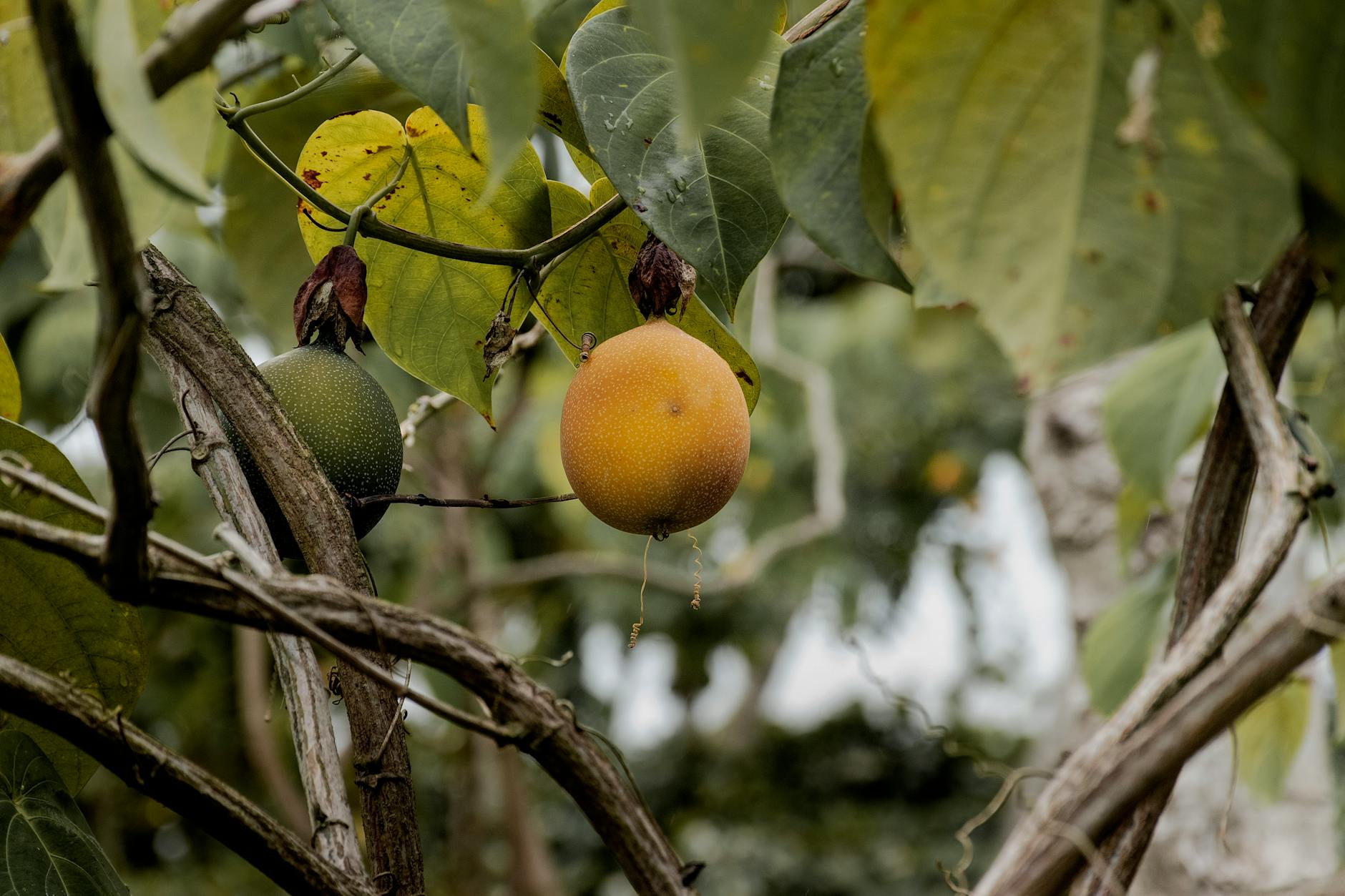
Somewhere in the river bottoms of Ohio, a forager is standing under a tree that most Americans couldn't identify, reaching up to pull down a lumpy, greenish fruit the size of a small potato. She takes a bite. The flavor is rich, tropical, almost aggressively creamy — like a banana and a mango decided to collaborate on a custard.
This is a pawpaw. It's native to North America. It grows wild across 26 states. Indigenous peoples ate it for thousands of years. Early American settlers relied on it. Lewis and Clark ate pawpaws when their food supplies ran out. George Washington reportedly loved them chilled.
And there is a very good chance you have never once seen one in a grocery store.
How Did a Native Fruit Disappear?
The pawpaw (Asimina triloba) is technically the largest fruit native to North America, and it has one of the most fascinating disappearing acts in American food history. Understanding how it vanished requires understanding one very inconvenient truth about the fruit itself: it doesn't travel well.
A ripe pawpaw has a shelf life of roughly two to three days at room temperature. Refrigerated, you might get a week. For a food system built around long supply chains, centralized distribution hubs, and fruit that needs to survive a truck ride from California to a store shelf in Minnesota, the pawpaw is basically a logistical nightmare.
When industrial agriculture began reshaping the American food supply in the late nineteenth and early twentieth centuries, the selection criteria weren't primarily about flavor or nutrition. They were about durability, uniformity, and shippability. The pawpaw failed all three tests spectacularly. Its skin bruises easily, its shape is irregular, and its ripeness window is brutally short.
Bananas — which, notably, are not native to North America and require significant infrastructure to import — won the tropical-flavor category because they could survive the journey. The pawpaw, which required no infrastructure at all since it grew wild across the eastern half of the continent, got left behind.
What Was Lost
The disappearance of the pawpaw from mainstream American diets represents more than a quirky food trivia footnote. For many Indigenous communities — including the Cherokee, Iroquois, and Osage nations — the pawpaw was a significant food source, eaten fresh, dried, and incorporated into a range of preparations. Its seeds and leaves had documented uses in traditional medicine and as natural insect repellents.
Early European settlers in the Ohio and Mississippi River valleys leaned heavily on pawpaws during lean seasons. The fruit's high caloric density and rich nutritional profile — it contains more protein than most other fruits, along with substantial levels of vitamin C, magnesium, and iron — made it genuinely useful as a survival food, not just a seasonal treat.
By the mid-twentieth century, it had essentially become a regional secret, known mainly to foragers in Appalachia and the rural Midwest who happened to live near wild pawpaw patches. A fruit that once grew abundantly from Nebraska to Florida and up through New York had become, for most Americans, completely invisible.
The Pawpaw Underground
Here's where the story takes a genuinely heartening turn. Over the past two decades, a passionate and slightly obsessive community of pawpaw advocates, horticulturists, and foragers has been quietly working to drag this fruit back into the American consciousness.
The Ohio Pawpaw Festival, held annually in Albany, Ohio, is arguably the spiritual center of this movement. Running since 1999, it draws thousands of attendees each September for tastings, cooking competitions, pawpaw beer, pawpaw ice cream, and seminars on cultivation. It is, without exaggeration, one of the more delightfully niche agricultural events in the country.
Kentucky State University runs one of the only dedicated pawpaw research programs in the nation, working to develop cultivars with slightly extended shelf life and more consistent flavor profiles — essentially trying to solve the one problem that kept the pawpaw out of mainstream markets without breeding away the qualities that make it remarkable.
Small orchards across Maryland, Virginia, Pennsylvania, and the Midwest have started offering u-pick pawpaw experiences in September, when the fruit ripens. Farmers markets in cities like Washington D.C., Pittsburgh, and Columbus occasionally carry them for a few precious weeks each fall. Demand, every year, exceeds supply.
Where You Can Actually Try One
If you want to find a pawpaw, you have a few options — and timing matters. The season runs roughly from late August through October depending on your latitude.
The Ohio Pawpaw Festival in Albany, Ohio is the easiest guaranteed entry point. It's a full weekend event with more pawpaw products than you knew existed.
Foraging is genuinely viable if you live in the eastern US. Pawpaws grow in moist, shaded river bottoms and forest understories. Apps like iNaturalist have active pawpaw sighting communities that can point you toward known wild patches.
Local farmers markets in the Mid-Atlantic and Midwest are your best grocery-adjacent bet. Search for vendors in your area starting in late August. They sell out fast — often within hours of appearing.
Mail-order orchards like Integration Acres in Ohio ship frozen pawpaw pulp nationally, which lets you experience the flavor even if you can't get your hands on a fresh one.
The Fruit That Was Always Here
There's something almost poetic about the pawpaw's story. America spent over a century importing tropical fruit from thousands of miles away while an equally tropical-tasting fruit grew wild in its own river valleys, largely forgotten.
The people bringing it back aren't doing it for profit — the economics are still brutally challenging. They're doing it because they tasted one, and they couldn't believe this thing existed and nobody knew about it.
That feeling, apparently, is contagious.