The Government Paid Farmers $8 an Acre to Plant This Miracle Vine — Now It Costs $500 Million Annually to Remove
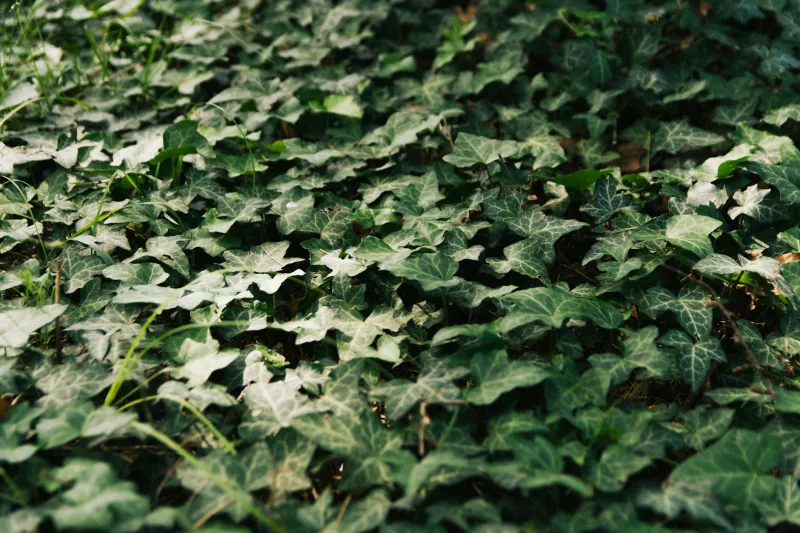
Drive through the American South today and you'll see it everywhere: a green blanket covering trees, telephone poles, abandoned buildings, and anything else that can't run away fast enough. Locals call it "foot-a-night vine" or "the vine that ate the South." Scientists call it Pueraria montana. The government that once paid farmers to plant it now calls it a $500 million annual problem.
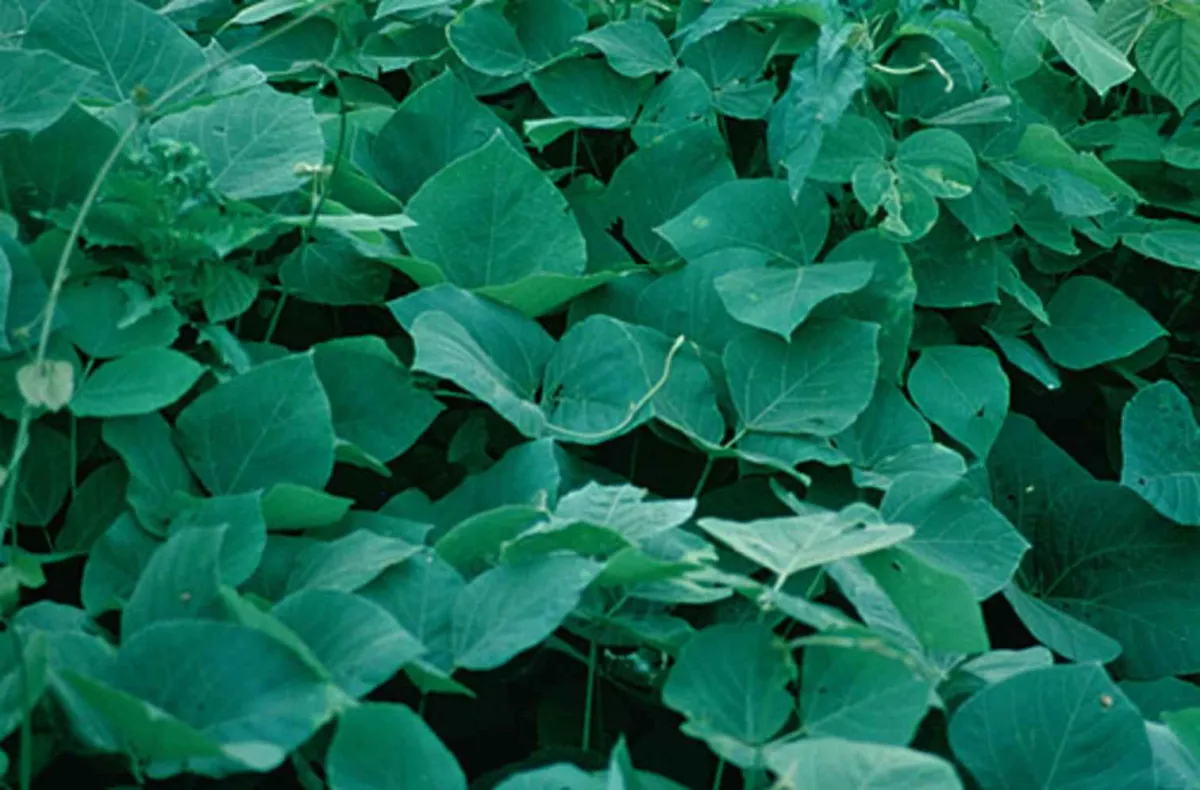 Photo: Pueraria montana, via pixnio.com
This is the story of kudzu, perhaps the most expensive good intention in American agricultural history.
The Erosion Crisis
To understand why the U.S. government once enthusiastically promoted kudzu, you need to picture the American South in the 1930s. Decades of cotton monoculture had stripped topsoil from millions of acres. Dust storms weren't just a Western phenomenon — Southern farms were literally blowing away, leaving behind red clay gullies that looked like open wounds across the landscape.
The newly formed Soil Conservation Service faced a massive challenge: how to stabilize soil across an entire region before it all washed into the Gulf of Mexico. Traditional solutions like terracing and crop rotation would take years to implement and required significant farmer cooperation. They needed something fast, cheap, and foolproof.
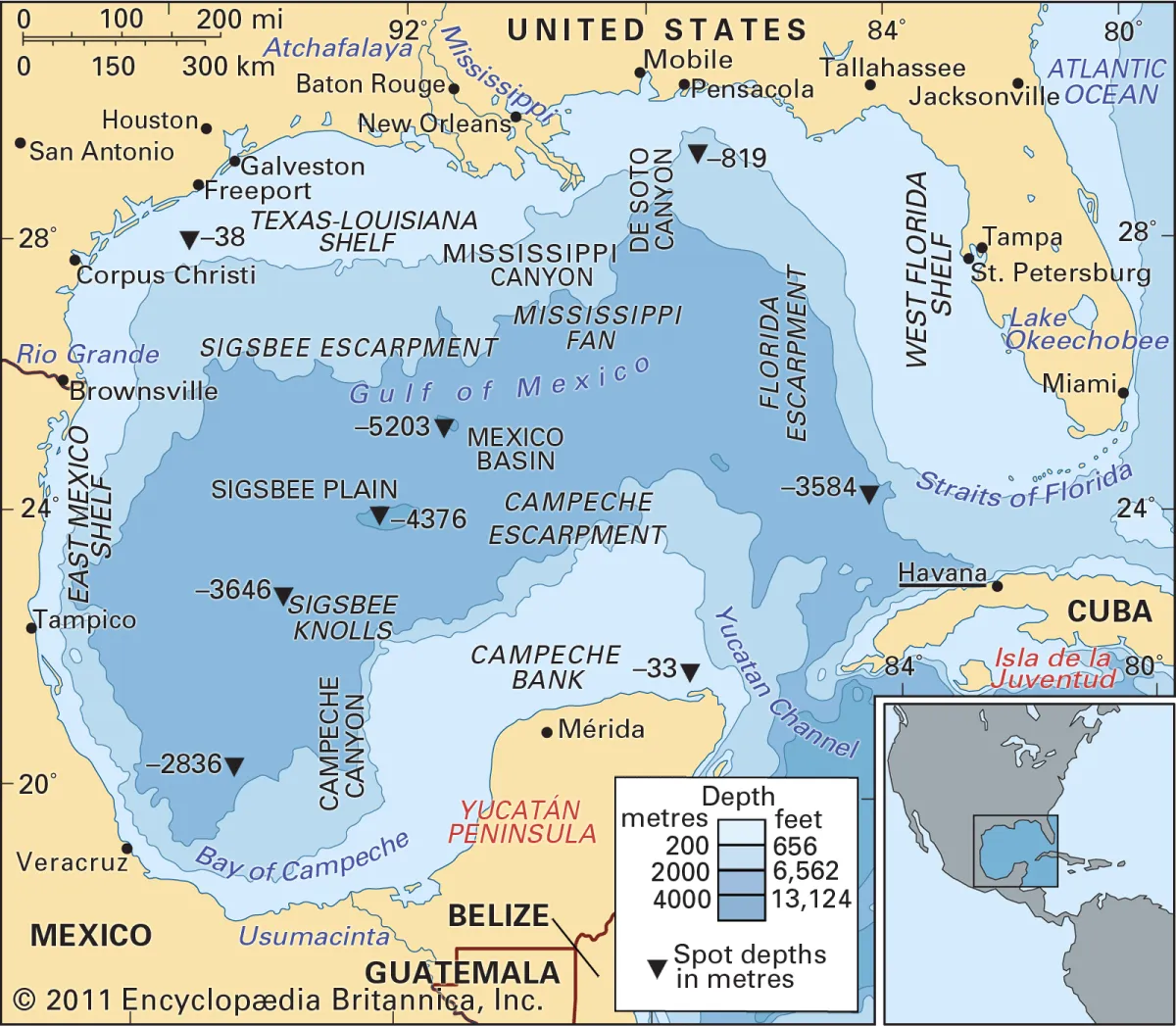 Photo: Gulf of Mexico, via cdn.britannica.com
Enter kudzu, a vine that Japanese gardeners had introduced to American botanical gardens in the 1870s as an ornamental plant.
The Perfect Solution (On Paper)
Kudzu seemed almost too good to be true. The vine grew incredibly fast — up to a foot per day in ideal conditions. Its extensive root system could stabilize even severely eroded slopes. It was nitrogen-fixing, meaning it actually improved soil quality while preventing erosion. And it was edible for livestock, providing farmers with both conservation benefits and cattle feed.
Government agricultural scientists were genuinely excited about kudzu's potential. Test plots showed remarkable results: gullied land planted with kudzu stabilized within a single growing season. The vine's dense canopy prevented raindrop impact erosion, while its roots held soil in place even during heavy storms.
Best of all, kudzu was incredibly hardy. It could grow in poor soil, tolerate drought, and survive harsh winters that killed other ground covers. For government officials trying to solve erosion problems across millions of acres, kudzu looked like a miracle plant.
The Great Kudzu Campaign
Between 1935 and 1955, the Soil Conservation Service launched an aggressive kudzu promotion campaign that would make modern marketing executives proud. They distributed free seedlings, paid farmers up to eight dollars per acre to plant kudzu (equivalent to about $150 per acre today), and organized "kudzu clubs" to spread enthusiasm for the wonder vine.
Government pamphlets praised kudzu in almost mystical terms. One 1943 publication called it "a new weapon in the South's war against erosion" and predicted it would "transform the region's agricultural future." Agricultural extension agents were trained to promote kudzu as enthusiastically as they promoted modern fertilizers or improved seed varieties.
The campaign worked spectacularly. By 1946, farmers had planted kudzu on over 3 million acres across the South. The Soil Conservation Service considered the program one of their greatest successes, pointing to thousands of formerly eroded farms that were now green and productive.
The First Warning Signs
By the early 1950s, some farmers were reporting problems. Kudzu didn't just prevent erosion — it covered everything. The vine grew over fences, smothered young trees, and required constant maintenance to keep it from taking over entire farms. But these complaints were dismissed as isolated cases or management problems.
Government scientists had studied kudzu's growth patterns in controlled test plots, but they hadn't anticipated how the vine would behave when planted across vast areas with minimal oversight. In its native Asian environment, kudzu was controlled by specific insects, diseases, and competing plants that didn't exist in the American South.
More troubling, kudzu was spreading beyond planted areas. Birds carried its seeds, and the vine's runners could extend hundreds of feet from the original planting site. By 1955, kudzu was showing up in places where no farmer had ever planted it.
The Ecological Reckoning
By the 1970s, it was clear that kudzu had become an ecological disaster. The vine that was supposed to prevent erosion was now causing different environmental problems. Kudzu-covered forests were dying as the vine blocked sunlight from reaching native trees. Biodiversity plummeted in kudzu-infested areas as the aggressive vine outcompeted native plants that wildlife depended on.
The same characteristics that made kudzu perfect for erosion control made it nearly impossible to remove. Its deep root system could survive most herbicides, and cutting the vine only encouraged more vigorous growth. Farmers who had been paid to plant kudzu now faced enormous costs to control it.
Worse, kudzu was spreading faster than anyone had predicted. The vine colonized new areas at a rate of 150,000 acres per year, moving north into states that had never participated in the original planting program.
The Modern Kudzu Economy
Today, kudzu covers an estimated 7 million acres across the southeastern United States — more than twice the area where it was originally planted. The federal government that once promoted kudzu now spends millions annually trying to control it. State departments of transportation budget huge sums for kudzu removal along highways. Private landowners face endless battles against a vine their grandparents were paid to plant.
The total economic impact is staggering. Conservative estimates put annual kudzu damage and control costs at $500 million, but some economists argue the true cost is much higher when you factor in lost timber productivity, reduced property values, and ecological restoration expenses.
Lessons From the Vine
The kudzu story isn't really about government incompetence or scientific arrogance — it's about the fundamental difficulty of predicting ecological outcomes. The scientists who promoted kudzu weren't wrong about its ability to prevent erosion. They just couldn't foresee all the consequences of introducing an aggressive non-native species at such a massive scale.
Modern environmental policy tries to learn from the kudzu experience by requiring extensive testing before introducing any non-native species. But the basic challenge remains: nature is complex, and solutions often create new problems that only become apparent years later.
The next time you see kudzu blanketing a Southern hillside, remember that it represents one of history's most expensive good intentions. Sometimes the cure really is worse than the disease — it just takes a few decades to figure that out.