America's Lost Presidential Fruit: The Dessert That Grows Wild and Tastes Like Custard
The Mystery of America's Missing Fruit
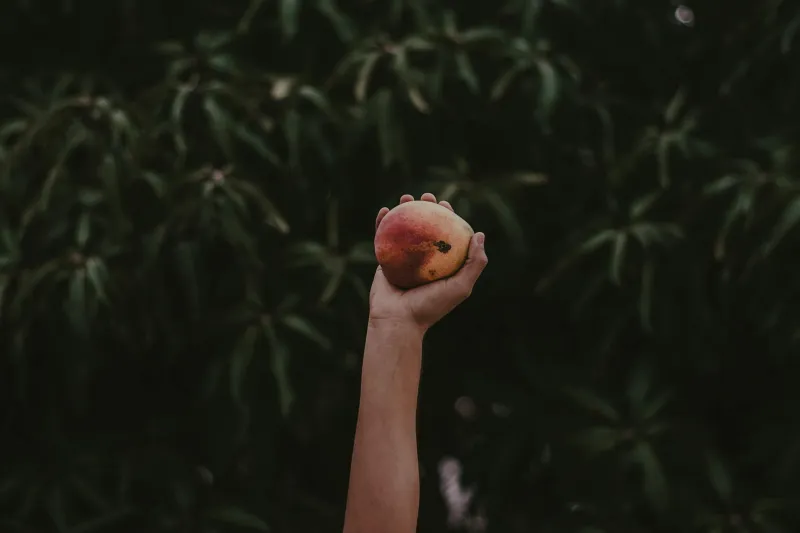
Imagine walking through the woods and stumbling upon a fruit that tastes like banana custard mixed with mango, hanging from trees that have been feeding Americans for centuries. This isn't some exotic import — it's the pawpaw, and it might be the most American fruit you've never heard of.
George Washington didn't just grow pawpaws at Mount Vernon; he was obsessed with them. His detailed garden journals show he experimented with different varieties, trying to perfect what he considered one of nature's finest desserts. Thomas Jefferson served them to guests at Monticello. When Lewis and Clark ran low on supplies during their expedition, they survived for days on pawpaw groves they found along riverbanks.
The Fruit That Built America
For Native Americans, pawpaws weren't just a snack — they were a cornerstone of survival. The Shawnee, Cherokee, and dozens of other tribes had entire seasonal migrations built around pawpaw harvests. They called it "poor man's banana," though anyone who's tasted a perfectly ripe pawpaw knows there's nothing poor about its rich, tropical flavor.
Early American settlers quickly caught on. By the 1800s, pawpaw festivals were as common as county fairs across the Midwest and South. Children would race through pawpaw patches in late summer, competing to find the largest fruits. Entire communities would gather for pawpaw harvests that felt more like celebrations.
Mark Twain wasn't exaggerating when he wrote about characters living off pawpaws in "Adventures of Huckleberry Finn." For rural Americans, these trees were like having a dessert orchard growing wild in your backyard.
The Great Pawpaw Disappearance
So what happened to America's beloved fruit? The answer reveals everything wrong with how we think about food production.
First, pawpaws have a fatal flaw for commercial agriculture: they ripen fast and spoil faster. A perfectly ripe pawpaw goes from sublime to inedible in about two days. Try shipping that across the country in 1920s railcars, and you'll end up with expensive mush.
When railroads began connecting farms to distant cities, grocers demanded fruits that could survive long journeys. Apples, oranges, and bananas became the new standards — not because they tasted better, but because they lasted longer in transit.
Big Agriculture sealed the pawpaw's fate. Industrial farming favored crops that could be planted in massive monocultures, harvested by machines, and stored for months. Pawpaws grow on finicky trees that fruit irregularly, ripen at different times, and bruise if you look at them wrong. They were the opposite of everything modern farming wanted.
The Quiet Revival
But here's where the story gets interesting: pawpaws never actually disappeared. They just went underground.
In rural Kentucky, Ohio, and West Virginia, families have been quietly maintaining pawpaw patches for generations. These aren't commercial operations — they're more like family secrets passed down through oral tradition. Grandparents still take grandchildren on annual pawpaw hunts, teaching them to spot the telltale signs of ripe fruit.
Dr. Neal Peterson, a plant geneticist who spent thirty years developing better pawpaw varieties, calls it "America's forgotten fruit renaissance." His work at West Virginia University has produced pawpaws that are larger, more flavorful, and slightly less fragile than their wild ancestors.
Finding Your First Pawpaw
Ready to taste what George Washington was raving about? Here's your treasure map:
Farmers Markets: Search for farmers markets in Ohio, Kentucky, West Virginia, Indiana, or southern Illinois during late August through September. Ask vendors specifically about pawpaws — they often sell out fast and aren't always displayed prominently.
Foraging Networks: Join local foraging groups on Facebook or apps like iNaturalist. Experienced foragers often organize pawpaw walks in late summer. Just remember: always get permission before picking on private land, and never harvest more than you can eat.
Growing Your Own: Pawpaw trees are surprisingly hardy and grow well in zones 5-9. They prefer partial shade (unlike most fruit trees) and take 4-6 years to fruit, but once established, they can produce for decades.
The New Pawpaw Trail: Kentucky now has an official Pawpaw Trail connecting orchards, festivals, and restaurants serving pawpaw desserts. It's like wine country, but for America's most mysterious fruit.
More Than Just Nostalgia
The pawpaw revival isn't just about rediscovering forgotten flavors — it's about rethinking how we grow food. These trees require no pesticides, improve soil health, and support native wildlife in ways that corn and soy never could.
Climate researchers are particularly interested in pawpaws because they're naturally drought-resistant and could thrive as temperatures rise. Some agricultural economists suggest that small-scale, locally-adapted crops like pawpaws might be more sustainable than our current system of shipping fruit thousands of miles.
So the next time you're hiking in late summer and notice trees with large, drooping leaves and strange, mango-sized fruits, you might have stumbled upon George Washington's favorite dessert. Just don't blame us when you become obsessed with finding more.