America's Lost Flavor: The Wild Spice That Vanished When Black Pepper Arrived
The Spice That Time Forgot
Walk through any American forest east of the Great Plains, and you're likely brushing past a culinary treasure that your great-great-grandmother might have recognized — but that you've probably never heard of. Spicebush, a humble shrub with an extraordinary secret, once seasoned the meals of everyone from Cherokee families to George Washington's dinner table.
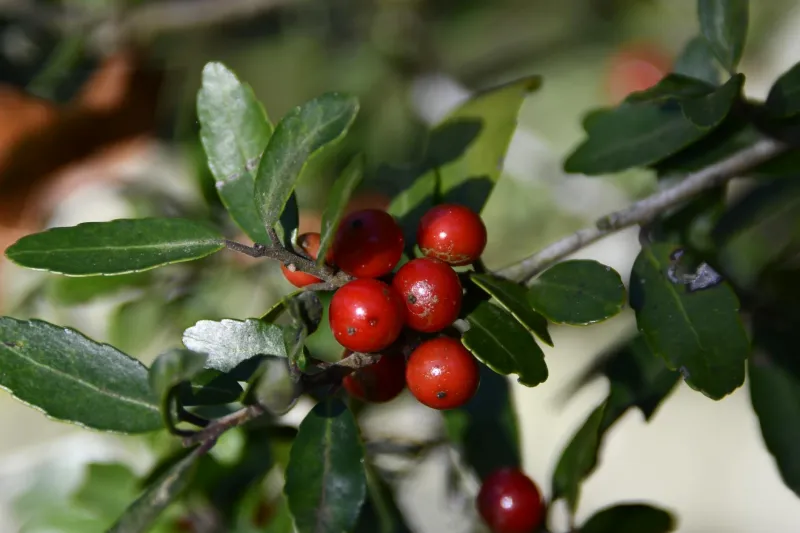
Lindera benzoin, as botanists call it, doesn't look like much. Its unremarkable leaves and small yellow flowers blend into the understory of deciduous forests from Maine to Georgia. But crack open one of its bright red berries, and you'll release an aroma that early American settlers described as "better than any pepper from the Indies."
When America Had Its Own Black Pepper
Before the spice trade brought black peppercorns to every colonial kitchen, spicebush berries served as America's primary source of peppery heat. Native American tribes had been using the plant for centuries — not just the berries, but the leaves, bark, and twigs too. The Cherokee called it "wild allspice," and they weren't wrong. Depending on which part of the plant you used, spicebush could taste like cinnamon, cloves, or a sharp, warming pepper.
Early European settlers quickly adopted spicebush into their cooking. Colonial recipes from the 1700s mention "American pepper" and "wild pepper" — both referring to these crimson berries that could be dried, ground, and stored just like their expensive imported cousins. Unlike black pepper, which had to travel thousands of miles and cost a small fortune, spicebush grew for free in nearly every backyard.
The plant offered more than flavor. Native healers used spicebush tea to treat everything from colds to stomach troubles, and modern research suggests they were onto something — the plant contains compounds similar to those found in ginger and other anti-inflammatory herbs.
The Great Spice Shift
So what happened to America's homegrown pepper? The same thing that happened to countless local food traditions: industrialization made the exotic ordinary.
By the mid-1800s, improved shipping and trade agreements flooded American markets with cheap imported spices. Black pepper, once a luxury item, became affordable for average families. Suddenly, using "real" pepper from distant lands felt more sophisticated than foraging for berries in the woods.
The shift happened remarkably fast. Cookbooks from the 1820s still mentioned spicebush regularly. By the 1870s, it had nearly vanished from American cuisine. Within a single generation, a spice that had flavored American food for thousands of years became a historical footnote.
The Quiet Revival
Today, spicebush exists in a curious limbo. It still grows wild across millions of acres of American forest, but most people walk right past it without knowing they're looking at edible treasure. A small but passionate group of foragers, chefs, and food historians are working to change that.
Renowned forager Samuel Thayer calls spicebush "one of our finest native spices," and high-end restaurants from Asheville to Brooklyn have started featuring it on seasonal menus. The flavor profile — warm, complex, with notes of pepper, allspice, and citrus — offers something that imported spices simply can't match.
Chef Sean Brock, known for his work preserving Southern food traditions, has become a vocal advocate for spicebush. "We've spent so much time chasing flavors from around the world that we forgot about the incredible tastes growing in our own backyard," he says.
Finding Your Own Wild Pepper
The remarkable thing about spicebush is that it's probably closer than you think. The plant thrives in the dappled shade of mature forests, often growing alongside streams and in rich, moist soil. It's particularly common in the Appalachian region, but established populations exist throughout the eastern United States.
Identifying spicebush requires some caution — as with any wild foraging, proper identification is crucial. The shrub typically grows 6 to 12 feet tall, with smooth, oval leaves that release a spicy fragrance when crushed. The berries ripen to bright red in late summer and early fall, appearing on female plants in small clusters.
Foraging guides and local mycological societies often offer workshops on identifying spicebush and other wild edibles. Many botanical gardens and nature centers also maintain labeled specimens for educational purposes.
Bringing Back the Flavor
Using spicebush requires some experimentation. The berries can be dried and ground like peppercorns, though they're milder and more complex. Young leaves make an excellent seasoning for fish and vegetables, while the twigs can be steeped for tea. Some modern cooks use spicebush as a substitute for allspice in baking, or grind the berries into spice rubs for meat.
The revival of spicebush represents something larger than just another trendy ingredient. It's a reconnection with the flavors that shaped early American cuisine, a taste of what this continent offered before global trade homogenized our palates.
In an age when we can order saffron from Spain or cardamom from India with a few clicks, there's something deeply satisfying about rediscovering the spices that were here all along. Spicebush reminds us that sometimes the most extraordinary flavors are hiding in the most ordinary places — waiting patiently for us to remember they exist.