America's Forgotten Superfood: The Grain That Built the West — And Could Save Tomorrow's Farms
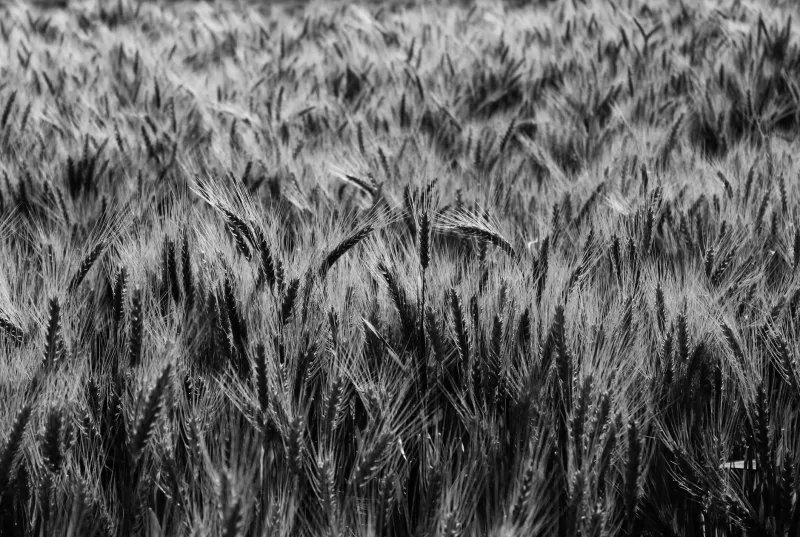
The Grain That Time Forgot
Walk through any American grocery store today, and you'll find shelves lined with quinoa from Bolivia, chia seeds from Mexico, and ancient grains from every corner of the world. But there's one superfood hiding in plain sight that most Americans have never heard of — despite the fact that it literally helped build this country.
Meet emmer wheat, the forgotten grain that kept frontier families alive when nothing else would grow.
While modern wheat dominates our bread baskets and pasta bowls, emmer (also known as farro in fancy restaurants) was quietly doing the heavy lifting across 19th-century America. This wasn't just another crop — it was survival food that could thrive in conditions that would kill regular wheat.
Why Pioneers Bet Their Lives on Emmer
Imagine you're a homesteader in 1870s Nebraska. The soil is tough, the weather unpredictable, and your family's survival depends entirely on what you can grow. Regular wheat? Too finicky. Corn? Needs too much water. But emmer? This ancient grain laughed at drought, shrugged off poor soil, and still produced enough food to get you through winter.
Emmer's secret weapon was its incredible resilience. Unlike modern wheat, which has been bred for high yields under perfect conditions, emmer evolved over thousands of years to survive whatever nature threw at it. The grain itself comes wrapped in a tough hull that protects it from pests and disease — nature's own packaging system.
Frontier families discovered that emmer could grow in places where other grains failed spectacularly. It needed less water, tolerated temperature swings, and didn't require the kind of rich, pampered soil that modern crops demand. For settlers pushing into the harsh landscapes of the American West, emmer wasn't just food — it was insurance.
The Great Grain Switcheroo
So what happened to this miracle crop? The same thing that happened to countless other pieces of American agricultural heritage: industrialization.
As farming became big business in the early 1900s, efficiency trumped everything else. Modern wheat varieties could be harvested faster, processed easier, and shipped further. Emmer's protective hull, which made it so hardy in the field, became a liability in the factory — it took extra steps to remove, slowing down production.
Food companies wanted crops that could be turned into products quickly and cheaply. Emmer, with its complex nutty flavor and chewy texture, didn't fit the new American ideal of bland, uniform, mass-produced food. By the 1950s, this grain that had sustained generations of American families had virtually disappeared from American farms.
The Quiet Revolution in America's Fields
But here's where the story gets interesting: emmer is making a comeback, and it's not just about food trends.
Across the American Midwest and Northwest, a small but growing network of farmers is rediscovering what their great-great-grandparents knew all along. As climate change makes weather patterns more unpredictable and droughts more common, emmer's ancient advantages are suddenly very modern solutions.
Take Montana farmer Bob Quinn, who started growing emmer in the 1980s when he realized that conventional farming was destroying his family's land. Today, his emmer thrives in conditions that would stress regular wheat, using 30% less water and requiring fewer chemical inputs.
Why Your Future Dinner Might Depend on This Ancient Grain
The numbers tell a compelling story. While industrial wheat struggles with increasing pest resistance and climate stress, emmer varieties show remarkable stability. They naturally resist many diseases that plague modern wheat, reducing the need for fungicides and pesticides.
Even more impressive: emmer actually improves soil health as it grows, thanks to its deep root system and natural partnerships with beneficial soil bacteria. After decades of industrial farming that strips nutrients from the land, emmer offers a way to rebuild rather than just extract.
Nutritionally, emmer puts modern wheat to shame. It contains higher levels of protein, fiber, and essential minerals like magnesium and zinc. The complex carbohydrates digest more slowly, avoiding the blood sugar spikes associated with processed wheat products.
From Forgotten to Future-Forward
Today, you can find emmer at farmers markets across the country, often sold by small-scale growers who are passionate about preserving agricultural heritage. High-end restaurants have embraced it as "farro," serving it in grain bowls and risottos that highlight its nutty, complex flavor.
But the real revolution is happening at the farm level. Agricultural researchers are studying emmer's genetics to understand how ancient crops developed such remarkable resilience. Some are even crossing emmer with modern wheat varieties, hoping to create new crops that combine the best of both worlds.
The irony is perfect: in our rush toward the future, we might find that the key to sustainable agriculture was sitting in our agricultural past all along. The grain that fed America's pioneers could end up feeding America's future — if we're smart enough to listen to what our ancestors already figured out.
Sometimes the most innovative solution is the one that's been hiding in plain sight for 150 years.